


Small kitchens come with unique challenges. Limited space means every decision carries more weight, from where the sink sits to how cabinet doors open. While finishes and colours get plenty of attention, layout is the real foundation of a functional small kitchen. A well-thought-out layout can make a compact kitchen feel comfortable and easy to use. A poor one can make even a newly renovated space feel cramped and frustrating.
When space is tight, layout is not just about looks. It controls how you move, cook, clean, and store everyday items. This is why getting the layout right from the start is one of the most important steps in designing a small kitchen.
The Role of Layout in Daily Use
In a small kitchen, there is little room for error. You are often working within a narrow footprint, which means paths must stay clear and work zones need to make sense. A good layout reduces unnecessary steps and awkward movements. Everything feels close at hand without feeling crowded.
When layout is ignored, small kitchens quickly become cluttered. Appliances clash with doors, benches feel too shallow, and storage ends up underused. These issues may seem minor on paper, but they show up daily once the kitchen is in use.
A smart layout allows you to cook, clean, and move around without bumping into corners or other people. It also helps the kitchen feel more open, even when the square metre count is limited.
Understanding Common Small Kitchen Layouts
There is no single layout that suits every small kitchen. The best option depends on room shape, entry points, and how the space connects to nearby rooms. That said, some layouts work especially well in compact homes.
Straight line kitchens
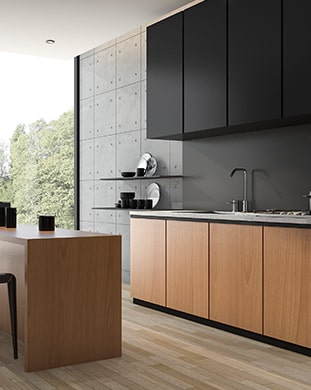
This layout places all cabinets and appliances along one wall. It works well in studio apartments and narrow spaces. With everything in one line, the kitchen feels open and simple. Storage needs careful planning, often using taller cabinets to make up for limited width.
Galley kitchens
Galley layouts use two parallel walls. They are efficient and practical, especially for people who cook often. The key is keeping enough space between the two sides so movement stays comfortable. Good lighting is essential to avoid the space feeling enclosed.
L-shaped kitchens
An L shape uses two connected walls, making good use of corners. This layout suits small open-plan homes, as it allows the kitchen to blend into living areas. It also creates a natural work triangle between sink, cooktop, and fridge.
U-shaped kitchens
While more common in larger spaces, a compact U shape can work if designed carefully. It offers plenty of bench and storage space but needs enough clearance so the kitchen does not feel boxed in.
How Layout Affects Storage?
Storage is one of the biggest concerns in small kitchens. Layout determines not only how much storage you have, but how usable it is. Poorly placed cupboards or deep corner cabinets can become wasted space.
A good layout considers how often items are used and places them accordingly. Everyday items should be easy to reach, while less-used items can be stored higher up. Tall pantry units often work better than multiple small cupboards, as they reduce visual clutter and improve access.
Drawer-based storage is especially useful in small kitchens. Drawers allow you to see everything at once, which reduces time spent searching and keeps benches clearer.
Movement and Workflow Matter More in Small Spaces
In a compact kitchen, workflow becomes more important than style choices. The distance between sink, cooktop, and fridge should feel natural. When these elements are placed too far apart, even a small kitchen feels tiring to use. When they are too close, the space feels tight.
Light and Layout Go Hand in Hand
Layout influences how light travels through a kitchen. Poor placement of tall cabinets can block natural light and make the space feel smaller. A better layout keeps taller units grouped together and allows light to reach benches and work areas.
Common Layout Mistakes in Small Kitchens
Many layout issues come from trying to fit too much into too little space. Some common mistakes include:
- Oversized appliances that overwhelm the room
- Narrow walkways that restrict movement
- Corner cabinets without proper access solutions
- Too many upper cabinets make the space feel heavy
- Poorly placed bins and dishwashers that interrupt workflow
Avoiding these mistakes often comes down to planning and being realistic about how the kitchen will be used.
Planning Before You Build
Before committing to a layout, it helps to think through daily routines. Consider where groceries come in, where meals are prepared, and how cleaning fits into the flow. A layout that looks good on a screen may not always work well in real life.
Working with experienced designers or cabinet makers can make a big difference. They understand how to balance storage, movement, and proportion in tight spaces. This guidance helps avoid costly changes later.
Final Thoughts
In small kitchens, layout makes all the difference. It controls how the space feels, how easily you move, and how enjoyable everyday cooking becomes. With the right layout, even a compact kitchen can feel open, practical, and welcoming instead of cramped or frustrating.
This is where working with experienced professionals matters. At Sydney Wide Kitchens, layouts are planned with real homes and real habits in mind, not just looks. The focus is on making every centimetre count so your kitchen works smoothly now and continues to add value long term.
Instead of chasing trends or surface-level upgrades, start with a layout that actually suits your space. When the foundation is done right, everything else falls into place naturally. If you are ready to turn a small kitchen into a space that truly works, now is the time to take the next step. Get a Quote from Sydney Wide Kitchens and see how the right layout can completely change your kitchen.


