


Designing a small kitchen can feel limiting at first. Tight corners, reduced bench space, and minimal storage often make homeowners wonder how much is actually possible. The truth is, small kitchens can be just as functional and stylish as larger ones when designed thoughtfully. With the right planning, even the most compact layout can feel open, practical, and inviting.
The key lies in making smart decisions early. From layout planning to clever storage solutions, every detail plays a role. Below are practical strategies that prove size does not determine potential.
Small Kitchen Design Tips That Truly Work
When it comes to compact spaces, every centimetre counts. These small kitchen design tips focus on layout, storage, and visual balance to help your kitchen feel larger and work harder.
1. Prioritise Layout Over Decoration
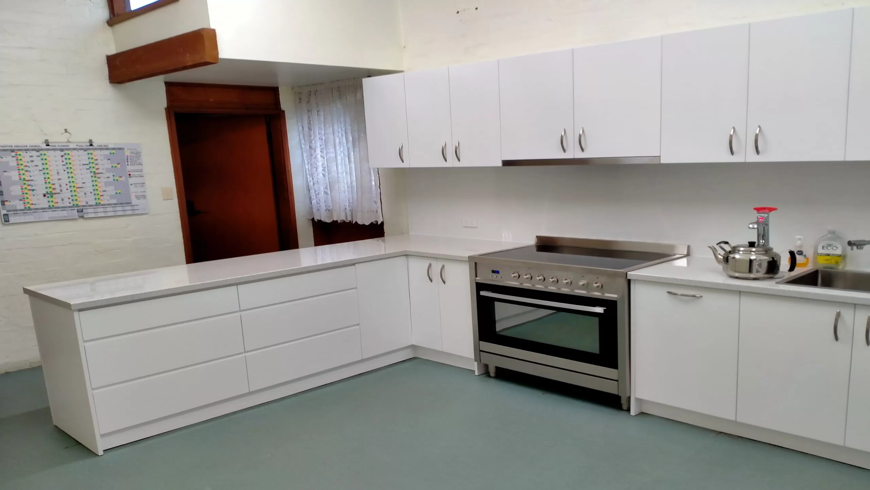
In small kitchens, layout matters more than decorative features. A clean and practical layout improves movement and reduces clutter. Galley and L shaped kitchens often work well in smaller homes because they use walls efficiently without blocking pathways.
Keeping the sink, cooktop, and fridge within comfortable reach helps maintain a smooth workflow. When movement feels natural, the kitchen automatically feels bigger.
2. Use Vertical Space Wisely
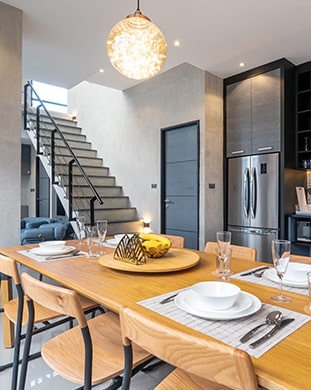
When floor space is limited, look up. Tall cabinets that extend to the ceiling provide valuable storage without increasing the footprint. This keeps everyday clutter off the benches and makes the room feel organised.
Open shelving can also work in moderation. It prevents the kitchen from feeling boxed in while still offering practical storage for frequently used items.
3. Choose Light Colours and Reflective Surfaces
Colour has a strong influence on how large a room appears. Light shades such as soft white, warm beige, or light grey reflect more light and make compact kitchens feel open. Gloss finishes on cabinets or splashbacks can subtly reflect light and add brightness.
You do not need to avoid darker tones completely, but using them sparingly prevents the room from feeling enclosed.
4. Maximise Bench Space
Bench space is precious in smaller kitchens. Consider integrating appliances such as microwaves into cabinetry to free up room. Slimline appliances can also reduce bulk without sacrificing performance.
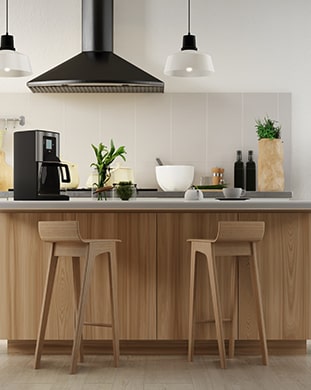
Adding a small peninsula or narrow island, if space allows, can provide extra preparation area and even casual seating.
5. Invest in Smart Storage Solutions
Good storage transforms small kitchens. Deep drawers are often more practical than traditional cupboards because they allow you to see everything at once. Pull out pantry units, corner carousels, and built-in organisers reduce wasted space.
Planning storage early in the design stage prevents overcrowding later. Working with an experienced kitchen designer from Sydney Wide Kitchens can help identify storage opportunities that may not be obvious at first glance, especially in compact layouts where every detail matters. If you are exploring layout ideas and storage options, you can view professionally planned kitchen designs.
6. Keep the Design Visually Simple
Too many materials or patterns can overwhelm a small space. Keeping cabinetry consistent in colour and finish creates a clean look. Continuous benchtops and minimal hardware also help maintain visual flow.
Integrated appliances blend into cabinetry and reduce visual breaks, which helps the kitchen appear larger.
7. Improve Lighting for Depth and Warmth
Lighting can change the entire feel of a compact kitchen. A combination of ceiling lights and under-cabinet lighting ensures all work areas are well-lit. Natural light should be maximised wherever possible.
Brighter spaces feel more open and comfortable. Even small adjustments like replacing heavy window coverings can make a noticeable difference.
8. Select the Right Flooring
Flooring that runs seamlessly into adjacent areas creates the illusion of more space. Large-format tiles or continuous timber flooring reduce visual interruptions.
Avoid overly busy patterns on the floor, as they can make the space feel crowded.
9. Think About Door and Drawer Clearance
In tight spaces, the way doors and drawers open matters. Ensure there is enough room for appliances like dishwashers and ovens to open comfortably without blocking walkways. Sliding doors or pocket doors can also save valuable space.
These small adjustments improve usability every day.
10. Focus on Quality Over Quantity
Rather than adding too many features, focus on elements that genuinely improve function. A well planned small kitchen with quality materials will always outperform a cluttered space filled with unnecessary additions.
Compact kitchens thrive on simplicity and smart planning.
Final Thoughts
Small kitchens have incredible potential when designed carefully. The right layout, smart storage, and thoughtful material choices can transform a limited space into one that feels open, practical, and welcoming. Instead of seeing size as a limitation, treat it as an opportunity to design with intention.
If you are ready to explore ideas for your own kitchen, the team at Sydney Wide Kitchens can guide you through every stage, from layout planning to final installation, ensuring your space is both practical and beautifully finished. With the right guidance and planning, even the smallest kitchen can make a lasting impact.
A small kitchen does not have to feel limiting when it is designed with care and expertise. If you are planning a renovation or building a new kitchen, now is the perfect time to take the next step. Get a Quote from Sydney Wide Kitchens and discover how thoughtful design can turn your compact space into something truly impressive.


